

How Structured Sober Living Supports Long-Term Recovery in Milwaukee
November 28, 2025

Recovering from substance use disorder is a challenging journey that requires more than just detox or initial treatment. Many individuals struggle to maintain sobriety when returning to environments that trigger old habits. Structured sober living provides a safe, supportive, and accountability-driven environment that bridges the gap between inpatient treatment and independent living. In Milwaukee, Wisconsin, these homes are playing an increasingly important role in promoting long-term recovery. By combining routine, peer support, and professional guidance, structured sober living empowers residents to rebuild their lives and develop the skills necessary to sustain sobriety for years to come.
1. Providing a Safe and Drug-Free Environment
One of the most critical aspects of structured sober living is the creation of a safe, drug- and alcohol-free environment. Residents are surrounded by individuals committed to sobriety, which reduces the temptation to relapse. Clear rules and expectations ensure that everyone contributes to maintaining a supportive and sober-focused community, helping residents feel secure as they navigate the early stages of recovery.
2. Building Accountability and Routine
Structured sober living emphasizes accountability, a crucial factor in long-term recovery. Residents often participate in daily check-ins, chores, and scheduled activities, fostering responsibility and structure in their lives. This routine replaces old habits associated with substance use, providing a framework that encourages healthy decision-making. By cultivating discipline and consistency, residents are better prepared to face challenges outside the home while maintaining sobriety.
3. Encouraging Peer Support and Community
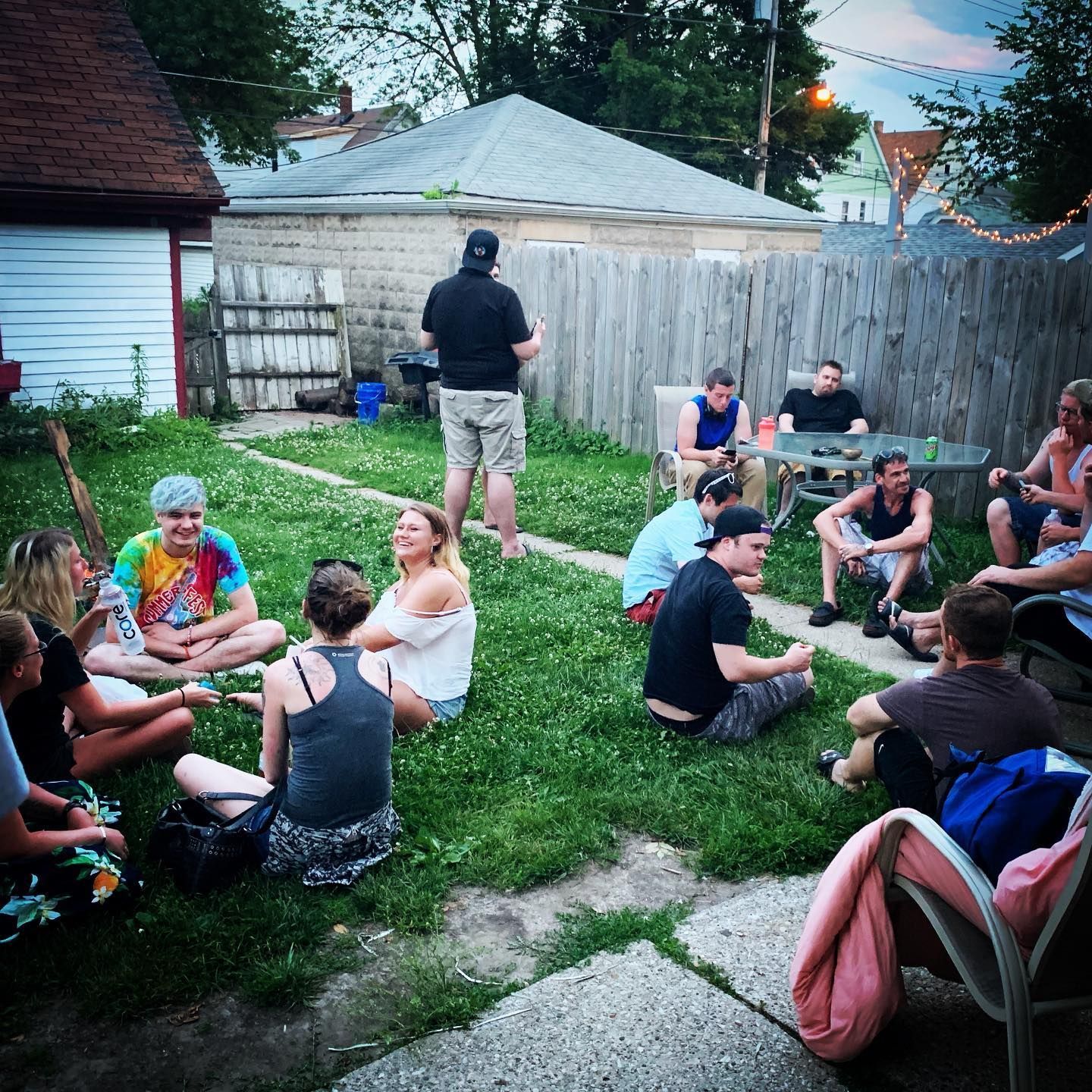
Living with peers who are also committed to sobriety creates a strong sense of community and mutual support. Residents can share experiences, celebrate milestones, and learn coping strategies from one another. This social support system is vital because recovery can be isolating, and the encouragement of a like-minded community can significantly reduce feelings of loneliness or discouragement.
4. Access to Professional Guidance
Many structured sober living programs in Milwaukee also provide access to counselors, therapists, or recovery coaches. These professionals offer guidance on coping mechanisms, relapse prevention, and life skills development. This combination of professional oversight and peer support ensures that residents receive holistic care that addresses both the psychological and practical aspects of recovery.
5. Preparing for Independent Living
Structured sober living acts as a transitional stage between inpatient treatment and full independence. Residents develop the skills necessary for employment, financial management, and healthy social relationships. By gradually increasing responsibilities and encouraging autonomy, these programs help residents confidently reintegrate into society while maintaining sobriety.
4th Dimension Recovery Centers – Supporting Recovery Journey
For individuals seeking a structured, supportive environment to sustain long-term sobriety, 4th Dimension Recovery Centers in Milwaukee, Wisconsin, offers a proven path to success. With 15 years of experience, the center has helped countless residents transition from treatment to independent, sober living. Through a combination of safe housing, peer support, structured routines, and professional guidance, we provide the tools and community necessary to achieve lasting recovery. By prioritizing both personal growth and accountability, the center empowers individuals to reclaim their lives and build a strong foundation for a healthy, substance-free future.