
Structured Recovery Programs in Milwaukee, Wisconsin
- Drug and Alcohol Sober Living
- Daily Structure and Support System
- Over a Decade of Service
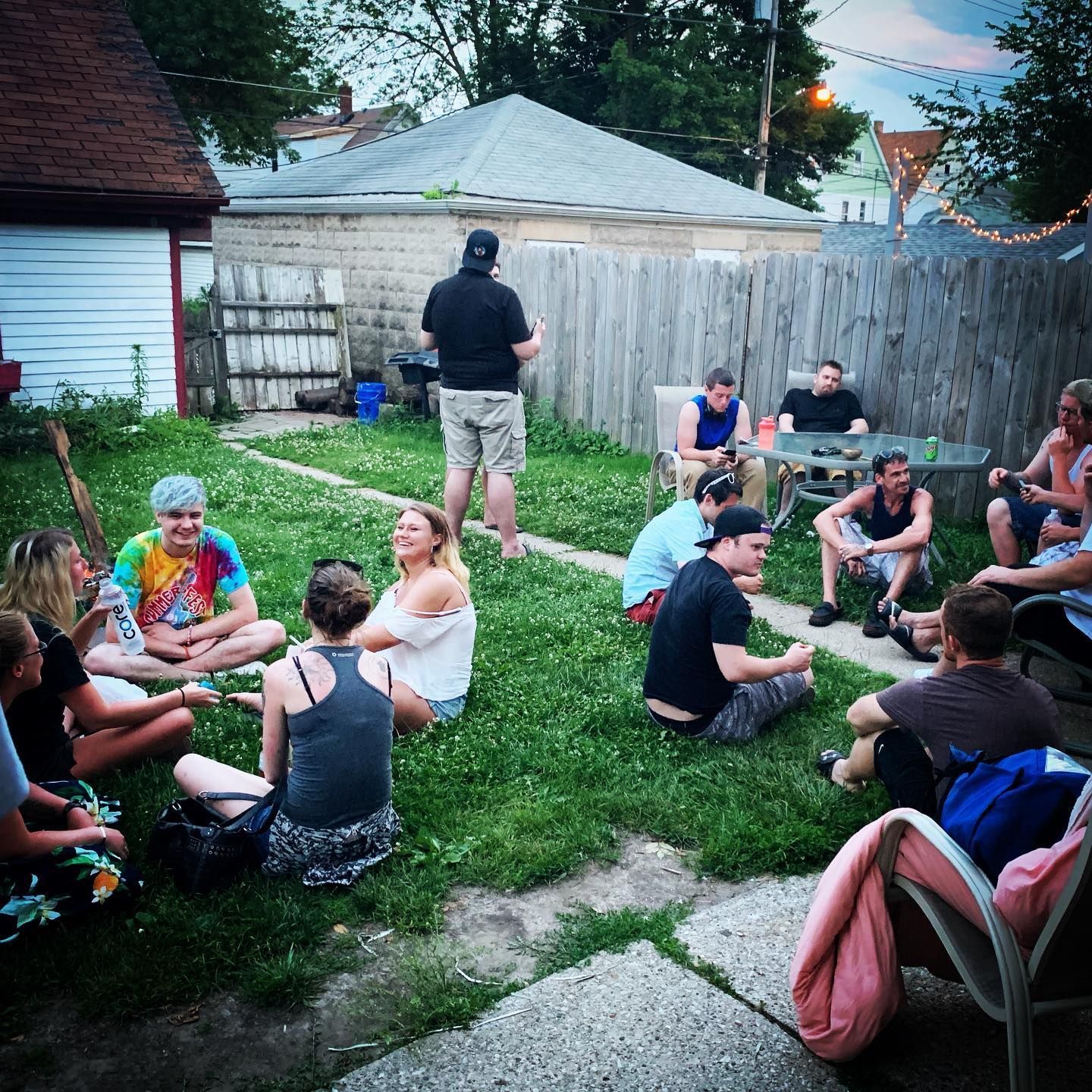
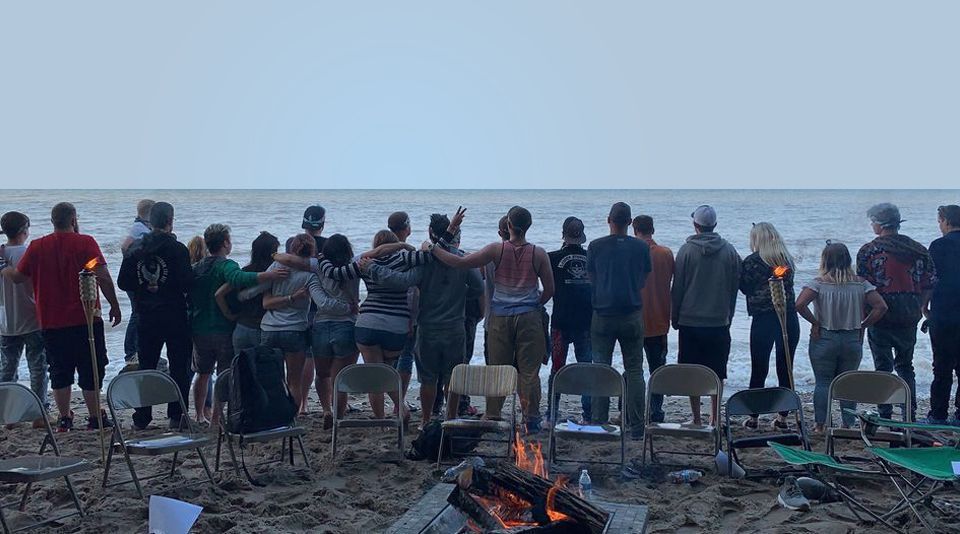
Safe and Structured Programs
4th Dimension offers 3- and 6-month structured programs to clients seeking freedom from drug and alcohol addiction. Both our programs focus on morning meditation, book study and day-to-day routines that clients are held accountable for.
Whatever structured program you choose on the path to recovery, our rehabilitation centers provide a safe, structured and supportive environment. Aside from food, clothing and hygiene supplies, everything is included at our recovery center. Call 414-323-9266 to inquire about funding and to learn more about our structured programs. Recovery is possible.
Offering Two Structured Programs
3-Month Program
- Morning meditation
- Big book study
- Providing structure in your day-to-day routine and holding you accountable
- Incorporating our clinical treatment center into sober living
6-Month Program
- Providing structure in your day-to-day routine and holding you accountable
- Providing structure into sober living
- Morning meditation
- Big book study
- Monthly reviews
Real Experiences From Our Community
Testimonials
FREQUENTLY ASKED QUESTIONS
What makes a structured recovery program more effective than informal recovery efforts?
A structured recovery program provides accountability, routine, and professional guidance—three elements often missing in self-directed recovery. Many individuals struggle not because of lack of motivation, but due to inconsistent support and unclear direction. Structured programs at 4th Dimension Recovery Centers create daily frameworks, peer engagement, and measurable progress checkpoints. This consistency helps reduce relapse triggers, build healthier habits, and reinforce long-term stability, especially during early recovery when discipline and support are most critical.
How do I know if I need structured recovery instead of outpatient or inpatient care?
Structured recovery is ideal for individuals who no longer require medical detox or 24/7 supervision but still need consistent support. If you find yourself relapsing after treatment, lacking routine, or struggling with accountability, this level of care may be appropriate. 4th Dimension Recovery Centers bridges the gap between intensive treatment and independent living, offering structure without full confinement, making it a strong next step for those transitioning from rehab.
What does a typical day look like in a structured recovery program?
A typical day includes scheduled activities such as group sessions, life skills development, peer accountability check-ins, and possibly employment or volunteer work. Unlike unstructured recovery, idle time is minimized, which is crucial since boredom often leads to relapse. At 4th Dimension Recovery Centers, participants follow a consistent daily rhythm that reinforces discipline while still allowing personal growth, independence, and reintegration into everyday responsibilities.
Can I work or attend school while participating in the program?
Yes, and in many cases, it’s encouraged. Structured recovery programs are designed to support real-world reintegration, not isolate you from it. Participants at 4th Dimension Recovery Centers often maintain jobs or attend school while staying accountable through program requirements. The key is balance—ensuring responsibilities don’t compromise recovery. Staff may help you create a manageable schedule so you can rebuild your life while staying committed to sobriety.
How does peer support influence recovery outcomes?
Peer support is one of the most underestimated yet powerful elements in recovery. Being surrounded by individuals who understand your struggles creates a sense of belonging and reduces isolation. At 4th Dimension Recovery Centers, peer accountability fosters honesty and mutual encouragement. Unlike clinical-only environments, peer-driven support provides real-life relatability, helping individuals stay motivated and grounded through shared experiences and daily interactions.
What are common mistakes people make during structured recovery?
One common mistake is underestimating the importance of routine and consistency. Some individuals try to skip steps, isolate themselves, or prioritize external responsibilities over recovery. Another challenge is resisting accountability, which can limit progress. At 4th Dimension Recovery Centers, structure is designed to prevent these pitfalls. Fully engaging with the program, even when it feels repetitive, is often what leads to lasting success.
How long should someone stay in a structured recovery program?
There’s no one-size-fits-all timeline. Some individuals benefit from a few months, while others may need longer to build stable habits. The duration depends on personal progress, stability, and risk of relapse. At 4th Dimension Recovery Centers, length of stay is often flexible and based on individual needs, ensuring participants don’t leave prematurely before they’ve developed the tools necessary for independent, sober living.
Is structured recovery only for people who have completed rehab?
Not necessarily. While many participants transition from inpatient rehab, others enter structured recovery directly if they don’t require detox or medical supervision. It’s especially useful for those who’ve struggled with repeated relapses or lack a supportive environment at home. 4th Dimension Recovery Centers provides a stable, recovery-focused setting that can serve as both a step-down option or a starting point for sustained sobriety.
How does accountability work in a structured recovery environment?
Accountability is built into daily routines through check-ins, group participation, and expectations for behavior. This isn’t about punishment—it’s about consistency and responsibility. At 4th Dimension Recovery Centers, participants are encouraged to be honest about their challenges while staying committed to program guidelines. This structure helps individuals recognize patterns, take ownership of their recovery, and build habits that translate into long-term independence.
What role does life skills training play in recovery?
Recovery isn’t just about avoiding substances—it’s about rebuilding a functional, fulfilling life. Life skills training covers areas like financial responsibility, communication, time management, and decision-making. Many individuals in recovery haven’t had the opportunity to develop these skills fully. 4th Dimension Recovery Centers integrates life skills development into its program, helping participants gain the confidence and competence needed to navigate everyday challenges without relapse.